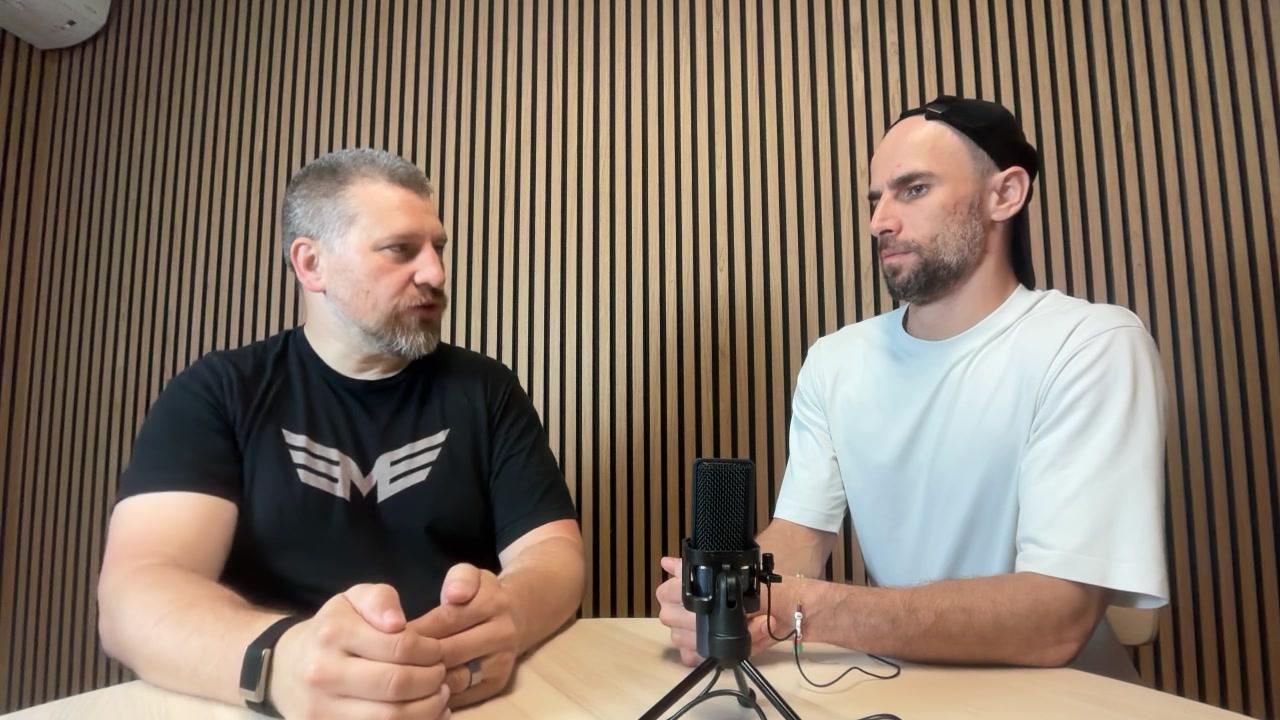
Some people chase trends. David Johnston seems to feel them arriving a few years early and then spend the next decade building at the front of the wave. When we sat down at Network School in Malaysia, his LinkedIn still listed his education as “autodidact, self-taught polymath” and by the end of the hour that felt less like a flex and more like an accurate description of how he's lived.
He started his first multimillion-dollar company at 19. He got into Bitcoin in 2012. In 2013 he wrote the paper that coined the term “DApps” decentralized applications, and helped shape the language Ethereum still uses to describe itself. Now he's the lead technologist on Morpheus, a permissionless network for decentralized AI. What connects all of it isn't a technology. It's a method, and a conviction.
The same method, every wave
Ask David how he built any given project and you get the same answer, scaled up or down. “With every project, I come up with a thesis first.” As a teenager, the thesis was that people would read books on the internet, so he aggregated 300 works of fiction and nonfiction into a subscription site called Wired Fiction, at 16, incorporating in Delaware to get himself released from a school he was bored by. Later the thesis was that scarcer crude oil would make renewables viable, so he raised $5.9 million to turn poultry fat into biodiesel in Maryland, then grew algae to beat the feedstock bottleneck and sold the biotech to ConocoPhillips.
The mechanics never changed. “A lot of times I'll just register a domain name. It gives it a name. And once something has a name, then it exists, because you can talk to people about it.” Then a website, which forces the idea into real words. Then, crucially, building in public. He's convinced that keeping ideas secret is self-defeating: publishing the DApps paper, he says, is precisely what attracted every serious person thinking about tokens and protocols, and gave him far better conversations than secrecy ever could.
From an uncensorable Linden dollar to “DApps”
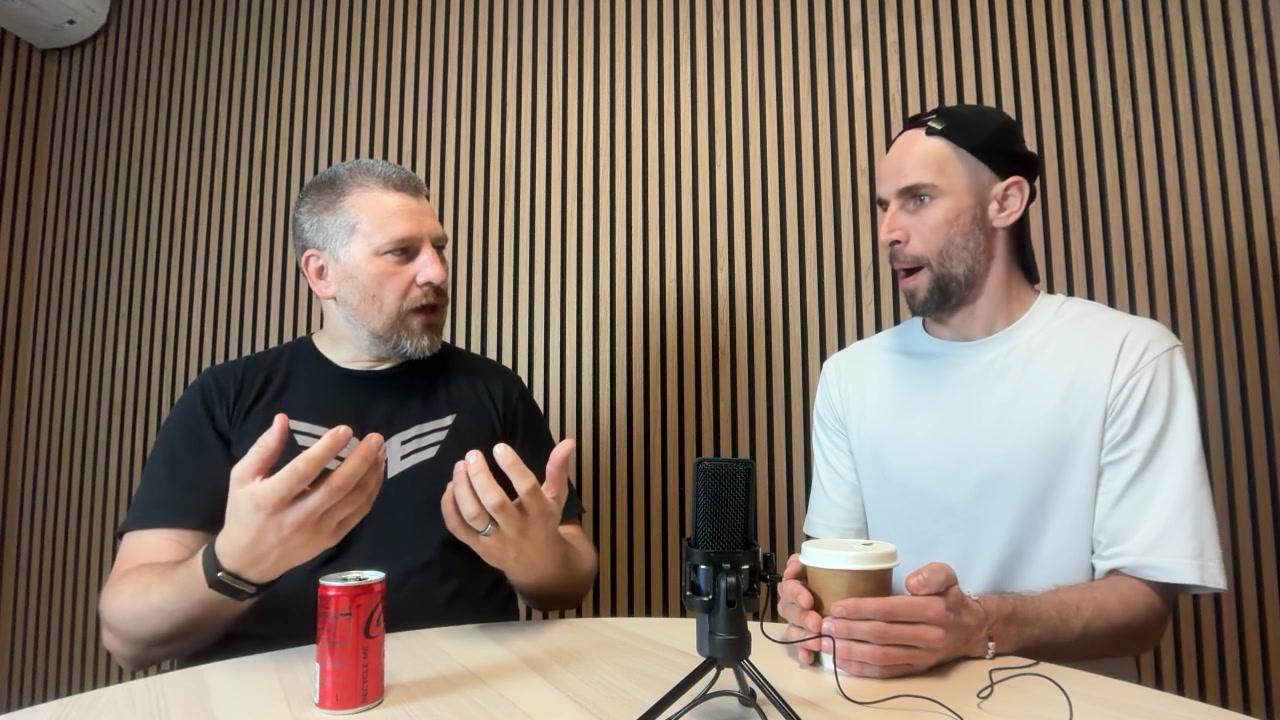
The Bitcoin insight came from an unlikely place: Second Life. David had watched the virtual world's economy boom on its in-game currency, the Linden dollar, until, he recalls, regulators moved in around 2007 and shut down its most interesting uses overnight. The lesson stuck: a currency run by a company will inevitably be censored by a government. So when Bitcoin appeared, he understood it instantly. “It's an uncensorable Linden dollar. There's no founder, no company in California, nobody's door to knock down.”
His DApps paper tried to generalize the Bitcoin model into a repeatable framework, peer-to-peer, open source, a blockchain backend, and a token to reward behavior. Ethereum adopted the framing so completely that “a platform for smart contracts and decentralized applications” became its subtitle. Some of the best moments in the conversation are the small human ones from that era, meeting a teenage Vitalik Buterin running the check-in desk at the Atlanta Bitcoin conference, then sneaking him into the bars afterward because he wasn't 21.
What Morpheus actually is
When AI's transformer breakthrough matured around 2022, David saw the pattern again: everything people had dreamed of doing with AI a decade earlier was suddenly possible, but it was consolidating into a handful of companies. His response was a 2023 paper coining “smart agents”: AI connected to a crypto wallet, so it can hold value and complete tasks, not just answer questions. The pseudonymous authors of Morpheus, named, fittingly, after Matrix characters, took that idea and added the missing piece: a network where anyone can connect powerful GPUs to those agents.
Morpheus itself runs no hardware. It's a set of smart contracts on Ethereum and Base that coordinate a global marketplace: providers bring GPUs and open-source models (Llama, GLM, and others), users open a session and pay for inference, and the protocol records the work and hands out rewards, to people providing compute, code, and capital alike, with no pre-mine and no company. For privacy, providers can run inference inside trusted execution environments, chips like NVIDIA's H100 that decrypt your prompt only inside the silicon and re-encrypt the output, so even the person running the GPU can't read what you sent.
Own your AI, or be a serf
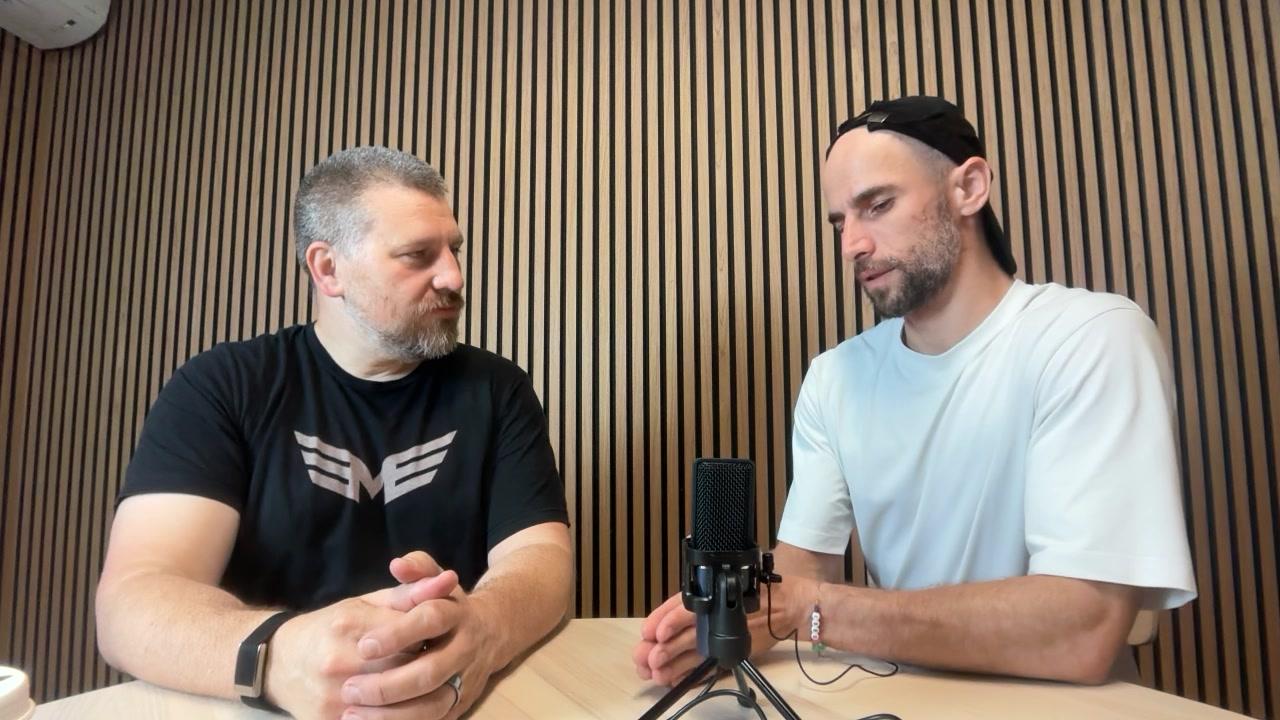
The throughline from Bitcoin to Morpheus is ownership, and it's where David gets most animated. “The difference between people who own their AI and people who are owned by AI is going to be 100x over time.” His analogy is holding your own Bitcoin keys versus leaving coins on an exchange: none of the exchanges he used in 2012 still exist, and anyone who trusted them lost everything. The equivalent today, he argues, is renting your intelligence from a company that can cancel your subscription, change the model, or hand your data to a government. “Are you going to the library and using somebody else's computer? Or do you really own your own agent? Are you free, or are you a serf?”
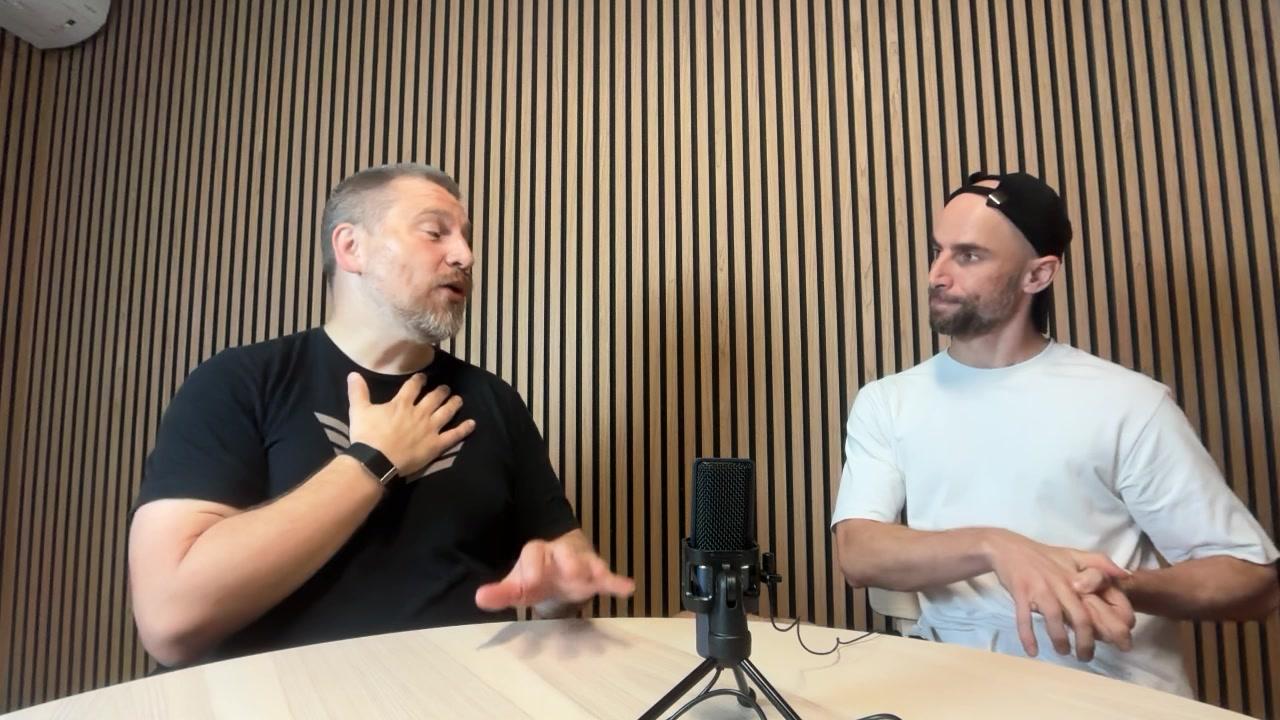
That question landed for me personally. The product I'm building, Argo, is a private AI journaling app: a space to think through your most personal thoughts, which is exactly the kind of thing you don't want flowing through someone else's servers. David's closing advice for builders was the same one he'd have given in 2013, updated for the moment: get started, build in public, take small steps, and get an agent you actually own.
Key takeaways
- A thesis, a domain, and building in public is a method that scales from a teenage e-book site to a decentralized AI network.
- Censorship resistance is a design goal, not a slogan: Morpheus is built to keep running regardless of any single government's AI policy.
- Ownership compounds. Whether it's Bitcoin keys or your AI agent, the gap between owning and renting your tools widens over a lifetime.
- Fair distribution builds durable networks, rewarding code, compute, and capital with no pre-mine echoes what gave early Ethereum its developer network effect.
Links & mentions
- David Johnston on X, @DJohnstonEC
- Morpheus API for developers, one button to a key
- Morpheus privacy & tech walkthrough
- Morpheus, the protocol's site
- OpenClaw, one-click agent creation
- Based AI, David's project built on open-weight models
- Network School, Balaji Srinivasan's community, where this was recorded